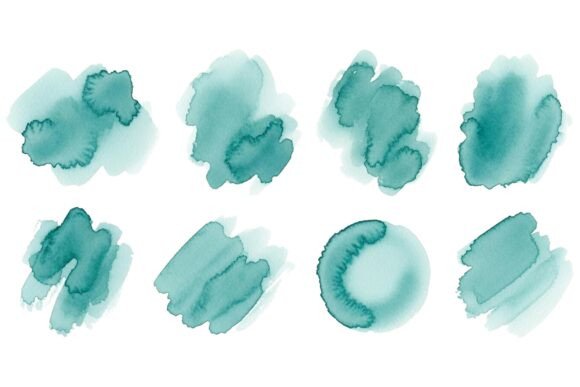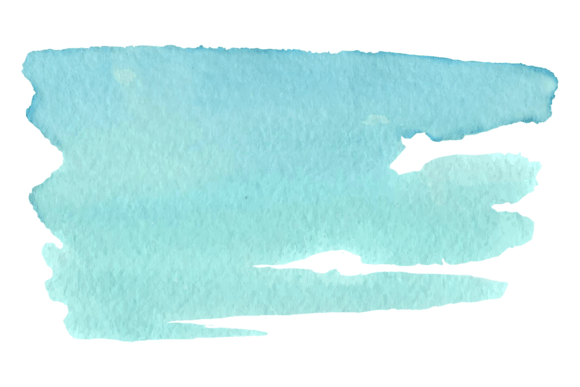
Watercolor Blue Stain Texture: A Graphic Design Asset Review
As someone who sells digital products across several platforms, my first step with any new asset is a practical evaluation. When I opened the files for this Watercolor Blue Stain Texture, my immediate impression was its artistic, handmade quality. It doesn’t feel overly cute or playful, but leans more into an elegant, modern-rustic mood. The soft blue tones and organic stain shape suggest a niche appeal: buyers looking for something decorative yet understated, perhaps for a feminine, minimalist, or premium brand aesthetic.
Testing the Texture in Real Product Scenarios
Before listing any product that uses this asset, I run it through a series of real-world use tests. The core question is: what can I actually sell with it? For this watercolor texture, the provided formats—SVG, PNG, JPG, EPS—open up a wide range of applications.
Starting with digital downloads, it’s a strong candidate for printable wall art, especially as part of a nursery or calming decor collection. The isolated transparency makes it ready to drop into greeting card or invitation templates. For physical products, I’d test it immediately on t-shirt graphics, mug designs, and tote bag prints via a print-on-demand service. The artistic feel could work well for tumbler wraps or planner stickers, provided the detail holds up at smaller sizes.
Building Bundles and Templates
From a business perspective, this isn’t an asset I’d sell alone. Its value multiplies in bundles. I’d consider pairing it with coordinating elements to create a digital paper pack or a scrapbooking kit. It’s also perfect for the growing market of Canva template sellers. A social media template or blog graphic featuring this texture as a background could attract content creators wanting a professional, artistic touch. For Cricut projects, the SVG file is key, but I’d need to verify the cut lines are clean for items like decorative vinyl stickers.
Presentation and Thumbnail Appeal
A design’s beauty is irrelevant if it doesn’t convert in a marketplace thumbnail. This texture’s soft blue can create excellent visual hierarchy in a product mockup. When preparing an Etsy listing for, say, a printable art bundle, using this texture in the mockup preview itself can add perceived value and brand consistency. It helps tell a visual story, moving away from plain white backgrounds. I would test it as a decorative element behind text in my listing images to gauge its click-through potential. However, its success depends on contrast. On a white background, it’s elegant; on a dark one, it might fade.
Where This Asset Works Best
My experience suggests this Watercolor Blue Stain Texture excels in specific commercial design contexts. It’s ideal for large product previews where the artistic detail can be appreciated. It fits naturally into themed bundles, like a “watercolor blues” collection for spring. It’s excellent for decorative layouts in printable products like calendars or art prints. For merchandise graphics on apparel and home goods, the watercolor style offers a softer alternative to bold graphics. It can also elevate social media promos for your digital shop, adding a handmade business feel to your marketing.
Practical Checks and Seller Notes
Here’s my checklist before committing this asset to a published product. First, test the design on real mockups. Use a POD service’s generator to see it on a t-shirt and mug. Second, preview it as a marketplace thumbnail at a small size to ensure it doesn’t become a muddy blur. Third, check how it looks on both white and dark backgrounds—does it maintain enough presence? Fourth, for printable products, a test print is mandatory to verify color output. Fifth, inspect the PNG transparency; a clean edge is vital for overlays. Sixth, if selling SVG files for Cricut projects, inspect the SVG cut quality in a design software to ensure no stray paths.
Organization is part of the product. I would ensure my final files for customers are clearly labeled. When creating templates, I’d experiment with pairing this watercolor texture with different font styles. A sleek sans serif font would give a modern contrast, while a delicate script font could enhance the feminine, artistic vibe. Crucially, always confirm commercial licensing for both the original asset and your finished derived products before selling.
Considerations and Careful Use
This texture is versatile, but not universal. It should be used carefully in a few scenarios. For tiny sticker details, the watercolor edges might lack definition. Avoid overly complex layouts where it could become visual clutter. It’s not suitable for low-resolution print products; the subtle gradients need good print quality. In crowded thumbnails, it might not stand out. As mentioned, on dark backgrounds without adjustment, it can lose impact. For text-heavy templates, ensure it doesn’t compete with readability. Finally, for products requiring very clean cutting lines, like intricate Cricut sticker projects, the organic stain shape may need simplification or a bold outline.
Final Thoughts for Your Product Collection
Evaluating the Watercolor Blue Stain Texture from a seller’s point of view, its utility is clear. It’s a graphic design asset that can help you create a more professional-looking online collection. It supports visual storytelling and can increase the perceived value of your digital downloads or merchandise. By testing it across the range of products I outlined—from SVG designs for crafters to Canva templates for bloggers—you can validate its place in your shop. The key is to integrate it thoughtfully, respecting its artistic mood while ensuring it meets the practical demands of your buyers, whether they’re Etsy shoppers, print-on-demand customers, or creative entrepreneurs building their own brand identity. This asset isn’t a standalone star, but a superb supporting element that can make your entire product lineup feel more cohesive and designed.