Reviewing the Watercolor Blue Abstract Background for Embroidery
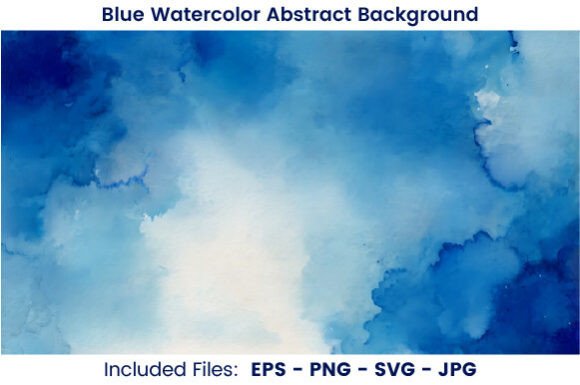
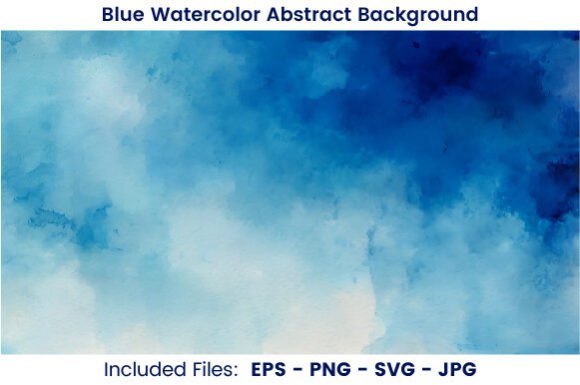
As a designer who regularly uses digital files for real stitching projects, I approach every new design with a practical eye. My goal is to see beyond the screen preview and imagine how it will live as thread on fabric. When considering the Watercolor Blue Abstract Background, my first thought is its mood. It’s serene, artistic, and undeniably modern. The soft, flowing shapes and blended blue tones suggest a gentle, contemporary feel rather than a rigid, geometric one. This is a design that belongs to projects seeking a touch of organic elegance.
Where This Abstract Blue Design Finds Its Home
The natural application for this embroidery file is as a background element or a large-scale focal point. Imagine preparing a custom embroidered linen pillow cover for a boutique. The watercolor effect would translate into soft, blended fill stitches, creating a beautiful, textured art piece rather than a harsh graphic. It’s perfect for elevating home decor items like tea towels or blanket corners, where the subtle detail adds value without overpowering the fabric.
For personalized gifts, this design shines. Embroidering it onto the back of a lightweight denim jacket or a canvas tote bag creates a unique, handmade presentation that feels both personal and professionally crafted. In a real-life scenario, I might use this for a set of wedding gift kitchen towels—the blue palette is calming and universally appealing, and the abstract nature avoids any overly specific theme. For a small business owner selling embroidered baby items, it could serve as a beautiful, gentle backdrop on a nursery pillow or a sweatshirt, paired with a simpler, contrasting applique design like a name or a small animal motif layered over it.
The Practical Stitching Considerations
Performance on actual fabric is key. This graphics file, with its likely smooth gradients and flowing lines, will require attention to stitch density. On lighter fabrics like cotton or linen, the fill stitches should render beautifully, but I’d always test on scrap material first. The watercolor style means there are probably no sharp corners or tiny details, which is a benefit—it minimizes potential stitching issues on curved surfaces like caps or on stretchy fabrics.
However, this design demands careful thought on dark fabric. The blue tones, unless very deep, may lose their visual appeal and clarity against a black or navy background. Thread color contrast is crucial here. Using a brighter or lighter blue thread palette than the digital preview suggests might be necessary to maintain the watercolor effect on dark garments. Similarly, on very textured fabrics like some sweaters, the subtle blends might get lost. It’s a design best suited for smoother, stable materials where the embroidery can sit cleanly.
When to Approach with Caution
While versatile, the Watercolor Blue Abstract Background should be used carefully in a few specific contexts. I would hesitate to use it in very small hoop sizes. Reducing it significantly could compress those beautiful blends into a muddy, dense stitch area, losing the abstract, airy personality entirely. It’s meant to be appreciated at a scale that allows its flow to be visible.
For products needing frequent washing, like everyday aprons or heavy-use kitchen towels, the large area of stitching could be a point of wear over time. Proper stabilizer during embroidery and a robust fabric choice are non-negotiable here. Also, as a primarily decorative element, it might not be the best choice for projects requiring high recognition, like clear branding logos. Its value is in its aesthetic, not its literal messaging.
How This Design Impacts Your Project's Value
From a business perspective, using this design correctly boosts customer trust and professionalism. A well-executed version on a high-quality tote bag or sweatshirt signals attention to detail and artistic taste. It feels less generic than a standard graphic, enhancing the handmade presentation. For an Etsy seller or craft fair vendor, items featuring this embroidery stand out as thoughtfully designed, which can improve buyer engagement.
Its giftability is high because it’s visually pleasing without being personal—you can create a beautiful item without knowing the recipient’s specific hobbies. It also offers brand consistency for a small shop with a modern, artistic vibe; using this or similar abstract backgrounds across a line of products creates a cohesive collection.
Essential Designer Notes Before You Stitch
Before loading this file into your machine, do your homework. Since the provided files are an EPS and an SVG, confirm their compatibility with your embroidery software and machine. Always, always test the design on scrap fabric first. Run a sample to check the actual thread coverage, the flow of the stitches, and how your chosen thread colors interact. Review the stitch density on your sample—is it too thick for your intended fabric?
Inspect the design in a black and white mockup to understand its pure contrast layout. Compare how it might look on both a light and a dark fabric background digitally before committing thread. Crucially, check the licensing terms provided by the designer before using this for commercial projects or selling finished items. Understand whether you can use it for personal and commercial projects freely.
Finally, consider its use as a digital product preview or in printable mockups for your online shop. The clean, attractive graphic can enhance your own marketing assets beautifully.
In summary, the Watercolor Blue Abstract Background is a strong, mood-driven design file for embroidery. Its real-world strength is in creating elegant, textured artwork on stable fabrics for decor, gifts, and boutique-ready apparel. Its weakness is in confined spaces or on challenging dark textiles. With practical testing and mindful application, it can become a valuable asset in your embroidery project library, adding a splash of serene, modern blue to your handmade work.